

frosted glass shower screen
The Importance of Precision Exploring a Set of Three Spirit Levels In the realm of construction, carpentry, and various DIY projects, achieving precision is paramount. One of the simplest yet most effective tools in ensuring that surfaces are level is the spirit level. While many may be familiar with a single spirit level, a set of three spirit levels can significantly enhance accuracy and versatility in measurement. In this article, we delve into the importance, applications, and benefits of using a set of three spirit levels. Understanding Spirit Levels A spirit level, commonly referred to as a bubble level, is an instrument designed to indicate whether a surface is horizontal (level) or vertical (plumb). It consists of a sealed tubular or rectangular glass vial filled with a liquid and an air bubble. When the bubble is centered between two marked lines, the surface is deemed level. Spirit levels can come in various lengths and configurations, with the most common formats being the torpedo level, the carpenter’s level, and the builder’s level. The Value of a Set of Three A set of three spirit levels typically includes various sizes tailored for specific tasks . Each level serves a unique purpose, providing users with the flexibility to tackle different projects effectively. 1. Short Level (Torpedo Level) This compact level is ideal for tight spaces and smaller projects. It is particularly useful for aligning smaller fixtures like shelves, electrical outlets, or picture frames. Its size allows it to reach into corners and other confined areas where larger levels may not fit. 2. Medium Level (Carpenter's Level) This standard-sized level is essential for most carpentry and construction tasks. Its length often ranges from 24 to 48 inches, making it suitable for measuring larger surfaces such as countertops, windows, and door frames. The longer the level, the more accurately it can indicate a slope, minimizing the risk of minor imperfections that could lead to significant structural issues. 3. Long Level (Builder’s Level) The longest level in the set, typically 4 feet and above, is designed for larger projects where extensive leveling is required, such as laying foundations, checking grade, or setting up large structures. This length allows for a more accurate reading over longer distances, reducing the variance often seen with shorter levels. set of 3 spirit levels The Benefits of Using a Set of Three Utilizing a comprehensive set of three spirit levels enhances both workflow and accuracy - Versatility With levels of varying lengths, users can select the appropriate tool for the task at hand, optimizing efficiency and effectiveness. - Convenience Having multiple levels on hand reduces the need to move back and forth within a project, saving time and effort. - Increased Accuracy Combining multiple levels mitigates errors. For example, using a long level to check broader areas while verifying smaller sections with a torpedo level ensures that every part of a project is accounted for. - Cost-Effective Investment A set of levels often proves to be more economical than purchasing individuals. The longevity and durability of quality spirit levels also translate to long-term savings, as they can withstand the wear and tear of frequent use. Conclusion In the world of crafting and construction, precision is not a luxury—it is a necessity. A set of three spirit levels offers a blend of versatility and accuracy that is indispensable for professionals and enthusiasts alike. Whether leveling a picture frame, constructing furniture, or building a home, having the right tools can make all the difference in achieving a perfectly aligned result. Investing in a set of three spirit levels is not just about enhancing your toolkit; it is about elevating your craftsmanship to new heights. In every bubble perfectly centered between the lines lies the promise of quality and reliability—hallmarks of any successful project.
about
frosted glass shower screen
Understanding Precision Gauge An Essential Tool in Manufacturing Precision gauges are critical instruments used across various industries to ensure the accuracy and quality of manufactured products. These instruments are designed to measure dimensions, alignments, and tolerances with extreme accuracy, making them indispensable in settings where precision is paramount, such as aerospace, automotive, and electronics manufacturing. The primary function of a precision gauge is to provide accurate measurements that adhere to specific tolerances. For instance, in the production of mechanical components, even a slight deviation from the established measurements can result in engine failure or reduced performance. Therefore, precision gauges help manufacturers maintain quality control and enhance product reliability. One common type of precision gauge is the micrometer, which is known for its ability to measure small distances with high accuracy, often down to a thousandth of a millimeter. Another popular variant is the caliper, which can be used to measure both internal and external dimensions as well as depths. Digital versions of these tools are widely used today, providing instant readings and reducing the potential for human error. The importance of precision gauges extends beyond mere measurement; they also play a crucial role in research and development (R&D). During the R&D phase, engineers and designers utilize precision gauges to prototype products and ensure that design specifications are met . This iterative process of measurement and adjustment is vital for creating innovative solutions and enhancing product designs. precision gauge Moreover, precision gauges contribute to the broader effort of maintaining industry standards. Many sectors are governed by strict regulations and standards that dictate acceptable tolerances for components. By utilizing precision gauges, manufacturers can ensure compliance with these regulations, thereby avoiding costly recalls and ensuring customer satisfaction. In addition to their primary functions, precision gauges are valuable for training new employees. They serve as learning tools that help trainees understand the importance of precision in manufacturing and develop their skills in measurement. This knowledge is crucial as manufacturers strive to cultivate a workforce that values quality and precision. As technology continues to advance, so do precision gauges. Enhanced materials, digital interfaces, and smart technology integration enable more efficient, accurate, and user-friendly measurement processes. The evolution of these tools helps manufacturers respond rapidly to changes in product design and production techniques. In conclusion, precision gauges are essential tools in modern manufacturing. They ensure the accuracy and quality of products, support R&D efforts, help maintain industry standards, and train future generations of workers. By investing in precision measurement technology, industries can enhance their efficiency, improve product quality, and ultimately drive success in a competitive marketplace. As precision remains a cornerstone of manufacturing, the significance of precision gauges will only continue to grow.
-

High quality industrial productsagement

High quality industrial products
View Details -

Meet the diverse needs of customers

Meet the diverse needs of customers
View Details -

Strict quality control

Strict quality control
View Details -

Top raw materials

Top raw materials
View Details -

Trusted supplier

Trusted supplier
View Details
Our application

news and information
Y filtre en fonte
Le Strainer Y en Fonte Un Équipement Indispensable pour l’Industrie Dans le domaine de l’industrie,
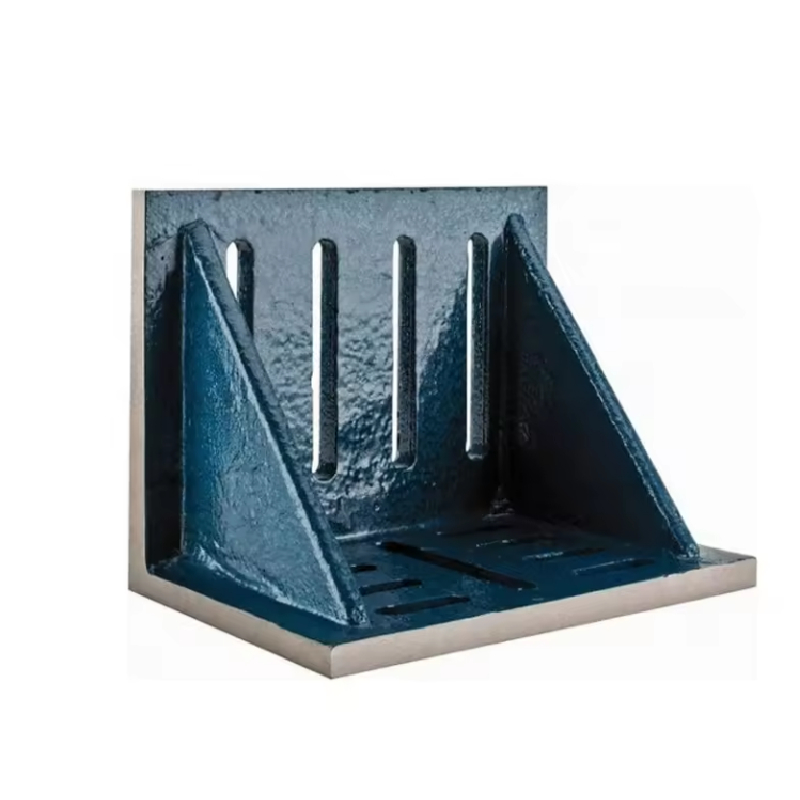
Welding Techniques and Equipment A Comprehensive Guide to Grounding Practices
Grounding Welding Table Essential for Safe and Efficient Welding Operations Welding is a critical pr
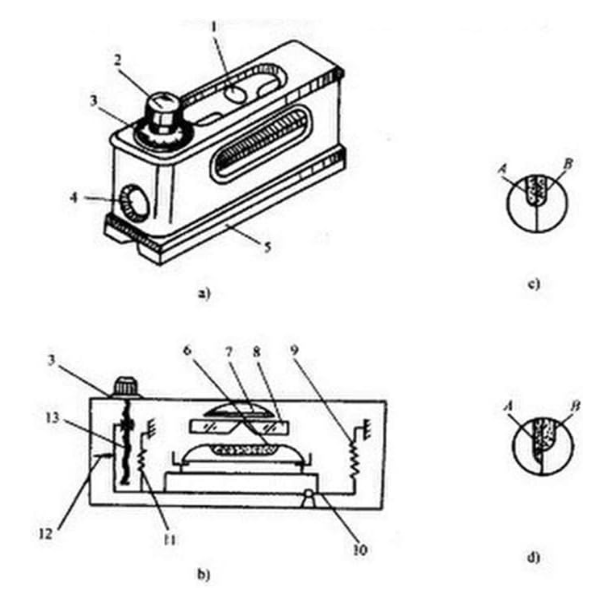
Verstellbarer Erdanker – Optimale Stabilität für Ihr Bauprojekt
Verstellbare Bodenanker Eine innovative Lösung für zahlreiche Anwendungen Verstellbare Bodenanker si
 English